Table of contents
Managing land efficiently often requires the right equipment, especially when dealing with excess vegetation and debris. Choosing between a mulcher and a chipper can significantly impact the results of a land management project. Explore the nuances and technical considerations in the following sections to discover which tool best fits specific needs and objectives.
Understanding mulchers
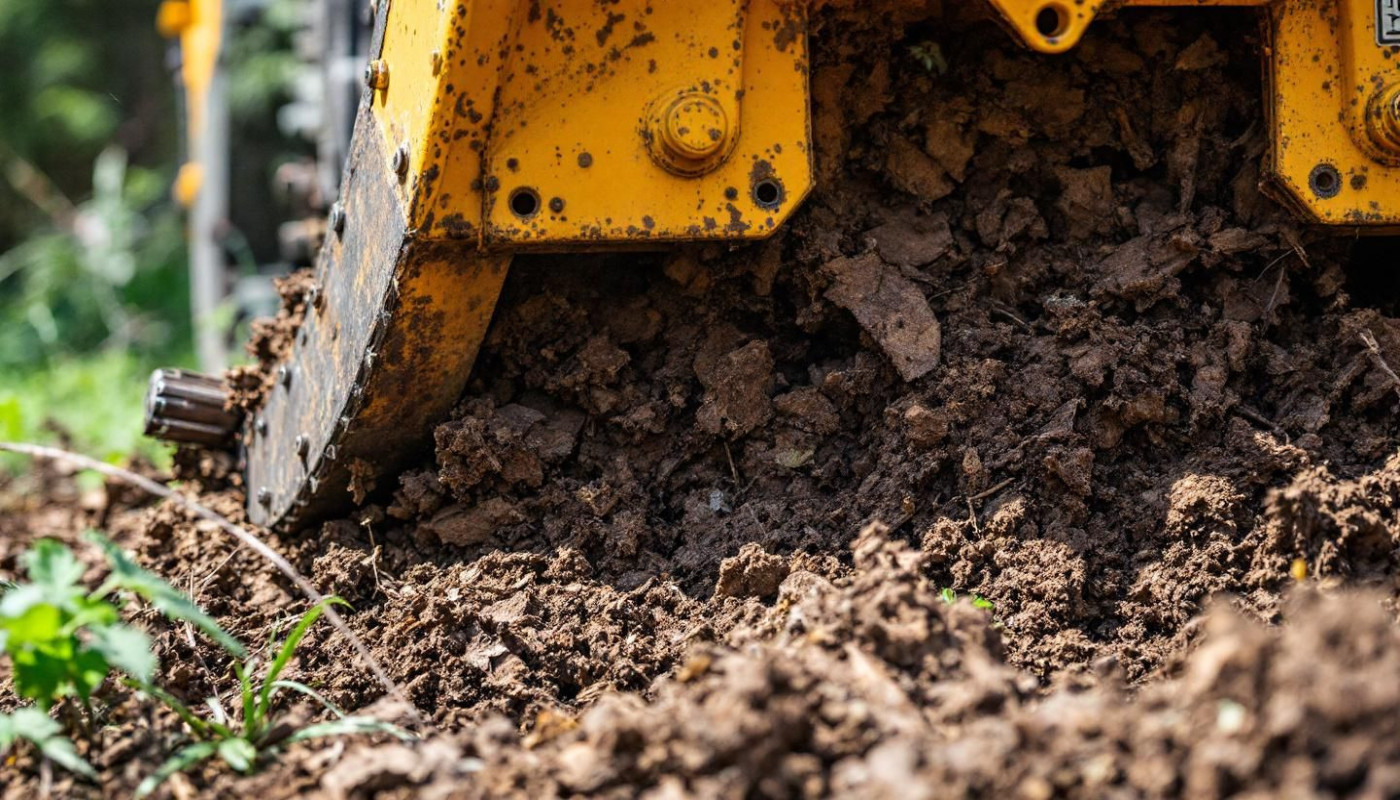
Mulchers are specialized forestry equipment designed to support land clearing, brush management, and vegetation control on a variety of terrains. These powerful machines use a heavy-duty rotor fitted with cutting tools or blades to shred and pulverize plant material into fine mulch, allowing for rapid breakdown and easier decomposition. Their primary function is to handle woody debris, thick brush, small trees, and overgrown vegetation, making them ideal for maintaining trails, preparing land for construction, and managing invasive plant species. In land management projects, mulchers are widely appreciated for their efficiency and ability to minimize soil disturbance compared to other clearing techniques.
The technical specifications of a mulcher can vary significantly depending on the application. Cutting width ranges from compact models with 24-inch capabilities, suitable for tight spaces, to large-scale machines boasting widths over 6 feet for broader swaths of land. Horsepower requirements also differ, with smaller units starting at 25 HP and industrial forestry equipment exceeding 400 HP for high-demand vegetation control. The rotor design is a key factor in performance, with options for fixed tooth or swinging hammer types, each optimized for handling specific material densities and sizes. Choosing the right mulcher enhances efficiency in brush management, supports sustainable land clearing practices, and ensures that both small and large-scale projects are completed with precision and reliability.
Exploring wood chippers
Wood chippers serve a vital function in land maintenance by transforming bulky wood debris, such as tree limbs and branches, into manageable chips suited for disposal or wood recycling. These machines utilize a high-speed rotating blade or drum that works in conjunction with an anvil—a fixed metal plate against which the material is sheared—to efficiently process tough, fibrous wood. The primary goal is to reduce the volume of woody waste, making it easier to transport, repurpose as mulch, or return to the soil in eco-friendly ways. Whether managing small residential lots or extensive commercial properties, the ability to convert large piles of tree limbs into chip material boosts productivity and sustainability in landscape management.
There are several types of chippers available to suit varying demands, ranging from compact, portable electric units to heavy-duty, commercial-grade models capable of processing logs several inches in diameter. Feed capacity directly influences performance: light-duty chippers might accept branches up to 2-3 inches thick, while industrial machines can handle material exceeding 12 inches in diameter. Some designs include self-feeding hoppers and anti-jamming systems for smoother operation. Those seeking further details or comparisons on different chipper options for wood debris management and professional land maintenance may wish to check my reference for expert insights and product recommendations.
Comparing capabilities and limitations
In the realm of land management, selecting between a mulcher and a chipper hinges on understanding their distinctive capabilities and limitations. A seasoned approach to equipment comparison reveals that a mulcher vs chipper scenario is shaped by the specific tasks at hand. Mulchers excel at rapidly reducing dense vegetation, small trees, and undergrowth into fine, uniform mulch, making them highly effective for broad vegetation clearing and site preparation. Their output size is generally smaller and more consistent, which benefits soil health and erosion control. Chippers, in contrast, are designed to handle larger branches and timber, producing coarser wood chips suitable for landscaping or biomass fuel. When considering machine efficiency, mulchers often process material faster over wide areas, while chippers can struggle with green, leafy material but perform exceptionally with woody debris.
Material output is a pivotal factor in determining which machine aligns best with land management objectives. Mulchers generate a fine, evenly distributed layer of organic matter, which decomposes quickly and enriches the soil. This is advantageous for those aiming to restore ecosystems or prevent weed regrowth. Chippers, on the other hand, produce chunkier chips, which are less prone to rapid decomposition and are thus better suited for applications like trail cover or long-lasting mulch. The output size of each machine dictates its suitability for different projects, and being aware of these distinctions ensures equipment is matched to desired outcomes.
Versatility also plays a significant role in the mulcher vs chipper debate. Mulchers are generally more adaptable to uneven or inaccessible terrain, allowing operators to clear large swathes of land without needing to collect or transport debris. This makes them the preferred choice for maintaining firebreaks, managing invasive species, and reclaiming overgrown lots. Chippers offer flexibility in processing downed limbs and logging residue, transforming otherwise cumbersome waste into valuable byproducts. In sum, the adaptability of each machine should be weighed against the specific requirements of the land management project.
Both machines present certain limitations that must be factored into equipment comparison. Mulchers may not be ideal for handling large-diameter trunks or hardwood, where engine power and cutter design become limiting factors. Chippers are less effective in environments clogged with brush or soft foliage, as they are optimized for solid wood. The decision ultimately rests on assessing vegetation types, desired output size, and the unique challenges of the landscape. By understanding what each piece of equipment brings to the table regarding machine efficiency and vegetation clearing, land management professionals can ensure optimal results with minimal resource expenditure.
Safety considerations and maintenance
When utilizing land equipment such as mulchers and chippers, safety protocols must be prioritized to protect operators and ensure effective equipment maintenance. Operator protection includes wearing personal protective equipment like safety goggles, hearing protection, gloves, and high-visibility clothing. Machine guarding is crucial to prevent accidental contact with moving parts, and all safety decals and shields should remain intact and clearly visible. Before operation, thorough machine inspection is necessary—checking for any loose bolts, damaged blades, or hydraulic leaks can help prevent accidents and minimize downtime.
Routine equipment maintenance extends the lifespan of both mulchers and chippers. Regularly lubricate all moving parts and inspect belts, hoses, and cutting mechanisms for signs of wear. Keeping blades sharp and ensuring the discharge area is clear of debris supports efficient operation. In land management, debris accumulation can lead to fire hazards or machine blockages, so cleaning after each use is recommended. Operators should always follow the manufacturer's maintenance schedule, including oil changes and hydraulic system checks, to guarantee optimal performance and safety.
Adhering to these equipment maintenance and inspection practices not only enhances operator protection but also preserves the integrity of the land equipment over time. Training operators in correct procedures and ensuring everyone on-site understands emergency shutdown protocols further reduces the risk of accidents. By prioritizing safety and consistent machine inspection, land managers can achieve higher productivity, reduce costly repairs, and maintain a safe working environment for all personnel involved in mulching or chipping tasks.
Choosing the right tool
Effective equipment selection is foundational for any successful land clearing solutions project. Begin by thoroughly assessing your terrain: uneven, rocky, or heavily wooded areas may demand different machinery than open, flat spaces. Mulchers excel at processing brush, undergrowth, and small trees directly into mulch, making them suitable for sites that require quick coverage and minimal material handling. Chippers, on the other hand, are optimized for turning branches and logs into wood chips, favoring situations where larger woody debris dominates the landscape and the processed output is intended for use as wood chips or removal. Consider the volume of material and required material throughput; large-scale projects benefit from high-capacity machines that can maintain efficiency and minimize downtime.
Project planning should account for the end use of debris. If the goal is soil improvement or erosion control, a mulcher's output may be preferable, as it leaves material spread across the site. When debris must be transported or used for landscaping, a chipper offers precise size control for processed material. Tool choice must align with both the project’s scale and the desired outcome, balancing equipment capability with site conditions. This strategic approach ensures optimal performance, cost-effectiveness, and a streamlined land management process.
Similar

Unveiling Secrets of Moon Gardening

Embracing the Micro-Garden Revolution: Small Spaces, Big Impact